How international standards can make AI more energy efficient | ISO & IEC
AI for Good4 September 2026Watch on YouTube
Part of series
Ep. 6 · AI-standaarden & Energie
Internationale organisaties zoals ISO, IEC en ITU bespreken hoe normen AI-infrastructuur energie-efficiënter en betrouwbaarder maken.
View the seriesWhat you'll learn
- You learn how international standards from ISO and IEC contribute to more energy-efficient AI infrastructure.
- You see how standards can support data centre efficiency, cooling and grid stability.
- You discover the role of standards in renewable energy integration and power-system interoperability.
- You hear about the barriers facing emerging economies when building AI infrastructure without locking in inefficiency.
- You learn what AI's projected energy footprint means for climate goals.
Frequently asked questions
Why does AI's energy footprint matter for climate goals?
What challenges do emerging economies face in building AI infrastructure?
Topics
Read next
AI bepaalt steeds meer het ontwerp van moderne datacenters
Door de groeiende AI-invloed, onder leiding van Nvidia, worden datacenters steeds sneller en in groter schaal gebouwd, wat de sector fundamenteel verandert.
De strategische opdracht voor Europa op het gebied van AI-infrastructuur
AI verschuift van experimentele pilots naar vaste IT-infrastructuur, terwijl het mondiale technologielandschap onder druk staat. Europese organisaties staan voor de taak een AI-stack te bouwen die prestaties combineert met digitale soevereiniteit.
Klimaat-AI en energieverbruik, een spanningsveld dat Nederlandse startups niet kunnen negeren
Nederlandse AI-startups die werken aan energietransitie en klimaat staan voor een inherente spanning: hun modellen verbruiken zelf ook energie. Hoe meten en beperken zij die voetafdruk?
Terwijl Nederland verzuipt in netcongestie, bouwt Axelera AI chips die de cloud overbodig maken
Terwijl datacenters vechten om stroomaansluitingen en AI het energieverbruik opdrijft, pakt Axelera AI dit probleem bij de kern aan. Ze ontwikkelen chips die AI lokaal, efficiënt en zonder de cloud draaien.
Is dit de groenste AI ter wereld?
Robert Keus had een probleem: niemand kon hem vertellen hoeveel energie AI-oplossingen verbruiken. Dit inzicht is essentieel voor duurzame innovatie in de AI-wereld.
Vattenfall onderzoekt AI-datacenters op zee die overtollige windstroom kunnen inzetten
Vattenfall, deeptech-startup Project Enki en automatiseringsbedrijf ABB gaan de haalbaarheid onderzoeken van AI-datacenters die direct op windparken op zee worden aangesloten. De datacenters zouden overtollige stroom opnemen en zo bijdragen aan het verminderen van netcongestie.
Description from the channel
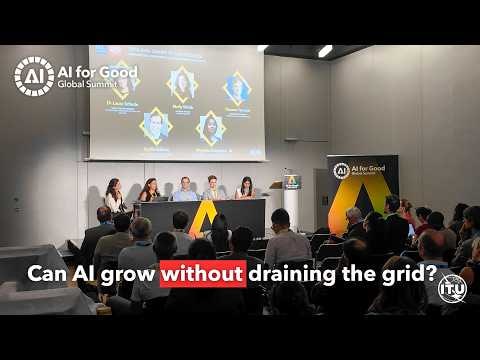
As AI expands, can energy systems keep up with its growing demand for electricity? Featuring perspectives from the UK Department for Energy Security and Net Zero, Energy Unlocked, the International Energy Agency, Eaton and the International Electrotechnical Commission (IEC), this workshop looks at the relationship between AI growth, data centres and energy consumption, and the role international standards can play in supporting more energy-efficient AI infrastructure. The session covers AI’s projected energy footprint and its implications for climate goals, alongside practical examples of how standards can support data centre efficiency, cooling systems, grid stability, renewable energy integration and power-system interoperability. It also considers the barriers facing emerging economies seeking to build AI infrastructure without locking in inefficiency. Recorded live at the AI for Good Global Summit 2026 at Palexpo in Geneva, Switzerland. _____________________________________________________________________ AI for Good is identifying innovative AI applications, building skills and standards, and advancing partnerships to solve global challenges. AI for Good is organized by ITU in partnership with over 50 UN partners and co-convened with the Government of Switzerland. Join the Neural Network! 👉https://aiforgood.itu.int/neural-network/ The AI for Good networking community platform powered by AI. Designed to help users build connections with innovators and experts, link innovative ideas with social impact opportunities, and bring the community together to solve global challenges using AI. 🔴 Watch the latest #AIforGood videos! https://www.youtube.com/c/AIforGood/videos 📩 Stay updated and join our weekly AI for Good newsletter: http://eepurl.com/gI2kJ5 🗞Check out the latest AI for Good news: https://aiforgood.itu.int/newsroom/ 📱Explore the AI for Good blog: https://aiforgood.itu.int/ai-for-good-blog/ 🌎 Connect on our social media: Website: https://aiforgood.itu.int/ X: https://twitter.com/AIforGood LinkedIn Page: https://www.linkedin.com/company/26511907 LinkedIn Group: https://www.linkedin.com/groups/8567748 Instagram: https://www.instagram.com/aiforgood Facebook: https://www.facebook.com/AIforGood Disclaimer: The views and opinions expressed are those of the panelists and do not reflect the official policy of the ITU.