GoDataFest is one of the established names on the Dutch calendar for anyone who works professionally with data, artificial intelligence and analytics. The event targets a broad audience, ranging from data engineers and data scientists to product managers, founders and policymakers who make data-driven decisions on a daily basis.
The format combines substantive sessions with dedicated space for networking. Speakers typically come from the Dutch and international tech and startup world, and topics range from machine learning architectures and data quality to ethics, regulation and the practical deployment of large language models within organisations.
For the Dutch startup and scale-up scene, an event like GoDataFest serves as a meeting point where knowledge and connections come together that would otherwise remain scattered across individual companies and communities.
What sets GoDataFest apart from other tech events
The Dutch tech calendar now features dozens of conferences and meetups, but GoDataFest focuses specifically on the data profession in its broadest sense. That means both the technical and the business side of data receive attention. A session on MLOps pipelines can appear on the same programme as a panel discussion on data governance under the GDPR or a presentation on building a data-driven company culture.
That breadth is intentional. Many organisations do not get stuck on the technology itself, but on the connection between technical teams and the rest of the organisation. By placing those two worlds on a single stage, the event aims to build bridges that rarely form on their own in day-to-day practice.
Programme and formats
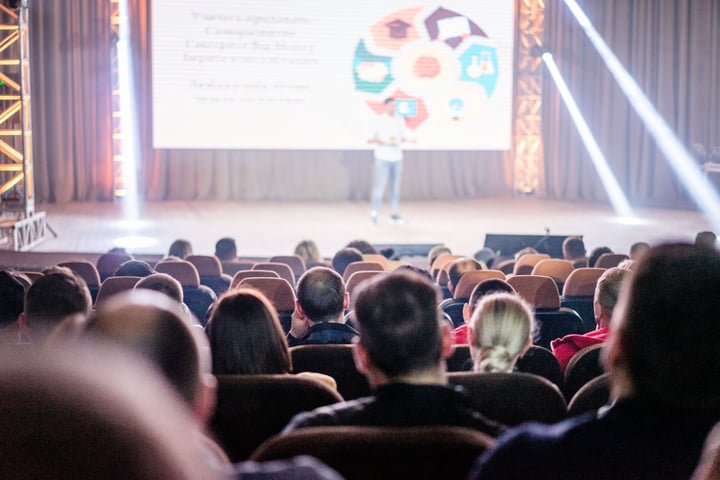
GoDataFest works with a mix of keynotes, breakout sessions and hands-on workshops. The keynotes set the direction for the day and address broader trends, while participants in the breakouts can choose to go deeper on specific topics. Workshops are generally kept small, leaving room for interaction and direct application.
In addition to the content programme, time is explicitly scheduled for networking. For many attendees, the informal exchange between sessions is at least as valuable as the stage itself. Connections with other data professionals, potential collaboration partners or prospective employers are regularly made at events like this.
Relevance for the startup and scale-up scene
For early-stage companies, a sound data strategy is not a secondary concern. Investors are increasingly asking for data-driven insights to substantiate growth narratives, and product development without feedback loops based on usage data has become the exception rather than the rule. At the same time, young companies frequently lack the capacity to build that strategy internally.
In that respect, GoDataFest offers a low-threshold way to stay current and learn from organisations that have already worked through certain challenges. A startup struggling to set up its first data platform can use such an occasion to speak with engineers who have solved that problem at a larger organisation, or with tooling providers specifically aimed at smaller teams.
For investors and policymakers who want to follow developments in the Dutch AI sector, the programme also provides context. Which technologies are gaining ground, what bottlenecks exist in practice, and where opportunities lie for new policy or new investments are questions that can be answered concretely at an event like this.
The broader context of data events in the Netherlands
The Netherlands has a relatively active ecosystem of data and AI-related events. Alongside GoDataFest, there are initiatives such as the Big Data Expo, various meetups organised by local data communities, and sector-specific conferences around themes such as financial data or healthcare. Even so, there remains room for a more generalist event that addresses the profession as a whole.
The rise of generative AI has also shifted that landscape over the past year. Topics that were previously niche, such as prompt engineering, retrieval-augmented generation and the integration of large language models into existing data platforms, are now high on the agenda of virtually every organisation. An event that keeps pace with these developments and translates them into the Dutch context therefore meets a need that is only growing.
Practical information
Those wishing to attend GoDataFest or submit a session can consult the event's official website and social channels for up-to-date dates, location and registration information. The organisation also communicates via the Dutch data community on platforms such as LinkedIn and Slack groups centred around Python, dbt and related tools.
Exact dates and speakers for the next edition had not yet been confirmed at the time of publication of this article. Dutchstartup.ai is monitoring announcements and will report further once they become available.