A systemic shift calls for a new way of working
September 2025. A dinner with 85 AI entrepreneurs and investors. No panel, no keynote, just one question: are we going to create a physical space where Dutch AI comes together? Are we doing this or not?
In the months before, the idea had been generating considerable buzz. Philip Gast had written about it on LinkedIn. Maarten Stolk and Lennard Zwart noticed it was resonating everywhere. Techleap, which has been connecting the Dutch startup ecosystem for years, saw it as the logical next step. And now everyone was in the same room.
The answer was yes. The National AI Hub became a reality.
Techleap and three founders joined forces, and four months later there is a full team, partnerships with Google and Prosus, a location that is nearly finalised, and more than 70 companies that want to participate [1]. From napkin sketch to reality in a single season.
Founders at the helm of the National AI Hub
Behind the hub is a distinctive combination. Techleap acts as the connecting factor, providing support and staffing, with Prince Constantijn van Oranje as special envoy. He summed it up last year:
"The Dutch AI ecosystem is bursting with potential. We have world-class talent and excel in science. The group of founders tackling major societal challenges is growing." [5]
The other driving forces come from founders: Maarten Stolk, Lennard Zwart, Philip Gast, Martijn Been. Gast sees the urgency:
"The AI scene has never been more vibrant. Giving young founders a platform to grow and get started, that is the primary goal." [6]
This generation of founders understands what is at stake. They are building companies that are commercially viable and create societal value. They combine the pace of startups with the long-term perspective that AI demands.
Esther Bisschop of Techleap is leading the project. A former entrepreneur herself, she sold a startup to Snapchat, she knows how to get something off the ground.
"Together with an inspiring consortium of AI founders, we are creating a central hub that serves as the physical place where outstanding AI scaleups come together." [4]
The team is already operational. Martijn Been handles realisation and branding, Eva Bandelj is building the community, Davinia Levie manages events and partnerships, Rike Franzen handles communications, Paul Roomer oversees the fit-out, and Maarten Cleeren provides direction from Techleap.
Why Amsterdam
The Netherlands has been building ecosystems where flows converge for centuries. Schiphol for aviation. Rotterdam for logistics. The Zuidas for finance. That combination of commercial instinct, sensibility and ethics is well suited to a technology that raises questions about responsibility everywhere it is applied.
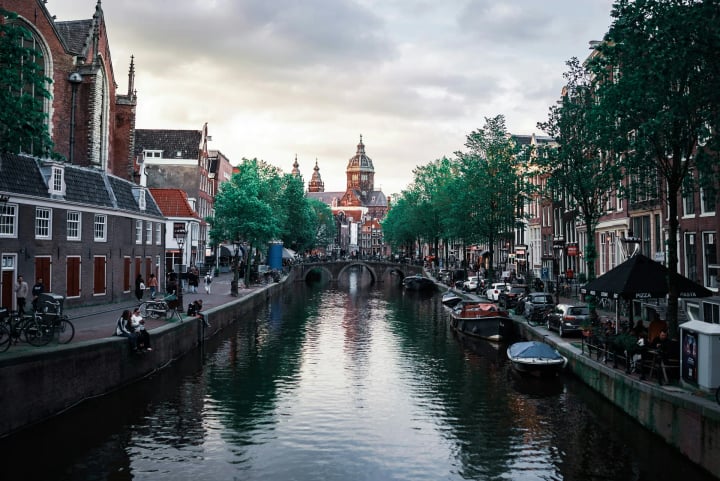
Amsterdam combines research, entrepreneurship and capital in a way that few major European cities can match. Talent from Science Park, UvA and VU. An ecosystem anchored by Booking.com, Adyen and Mollie. Infrastructure with AMS-IX and connections to European hubs.
The consortium is still being cautious about the exact location:
"We are another step closer to finalising the deal for our preferred location. Our new neighbours have already moved in next door." [7]
Big tech provides support; founders make decisions
Building a hub requires serious capital. Google is investing in programmes and events. Prosus is a partner. That combination of big-tech resources and founder-driven governance is precisely what sets the AI Hub apart.
"We focus on the fundamentals of AI, the systems and the applications. We do not just want to consume AI; above all, we want to produce it.", Maarten Stolk [3]
Techleap will hold the board seat and majority stake. The companies that establish themselves there will together form a cooperative, with genuine say over the direction [7]. Stolk and Zwart are the first board members. A third is being sought among future tenants. Founders collectively decide who fits and which direction things should go.
Who dares? Founding Director sought
The hub is still looking for its architect. A Founding Director who, as statutory director, will lead the entire operation, from 1,000 square metres to an envisaged 10,000; from the first tenants to an international community; from Dutch ambition to European relevance.
Someone who manages a team of ten. Who bridges the gap between government and founders. Who can credibly take the stage as the voice of Dutch AI entrepreneurship. Further information is available at Techleap.
What Berlin and Paris already know
In Berlin, Merantix AI Campus houses 80+ teams, 1,200 people daily, and 300+ events per year. Station F in Paris, now a partner of the Dutch hub, sees 40% of all French AI startups come through its doors. Hugging Face started there. Norrsken House grew into a network with hubs in Kigali, Barcelona and Brussels, launched a €300 million AI for Good fund, and is opening in 2026 at The Van Gendt Hallen in Amsterdam.
By mid-summer 2026, the founders and the Techleap AI hub team will move in, followed by the AI companies. More than 30 have already committed. And in a few years it will be self-evident: a National AI Hub in Amsterdam that makes everyone smarter and stronger together.